Others Services
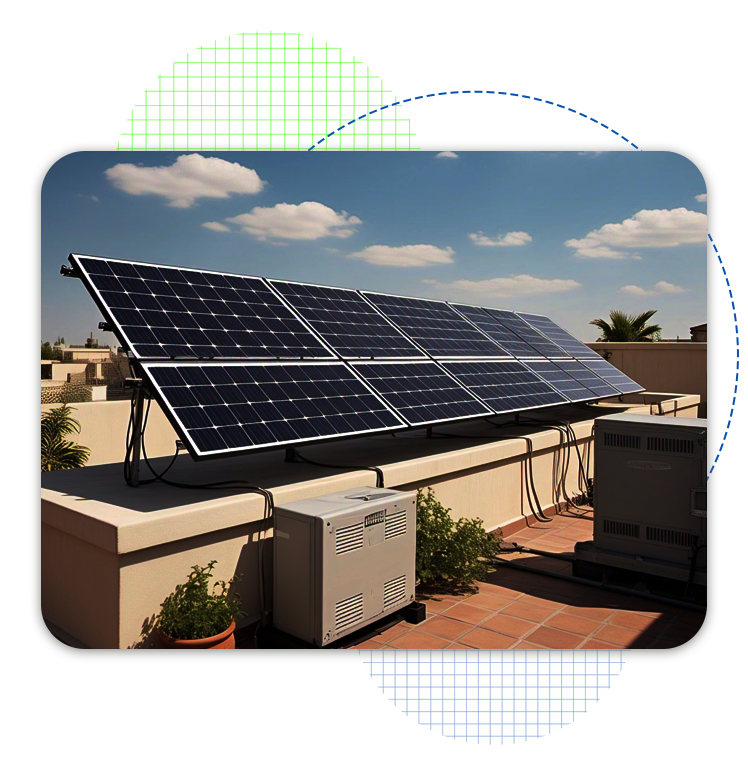
A solar inverter is a critical component of any solar power system. It converts the direct current (DC) electricity generated by solar panels into alternating current (AC) electricity, which powers your household appliances and can be fed into the power grid. Acting as a bridge between your solar system and your electrical devices, the inverter ensures seamless and efficient energy utilization.
Get Expert Advice →Features
Installed on each solar panel enabling independent operation and monitoring.
Advantages
Ideal For
Systems aiming for maximum efficiency and long-term savings.
Features
A single inverter connects to multiple panels (a "string").
Advantages
Disadvantages
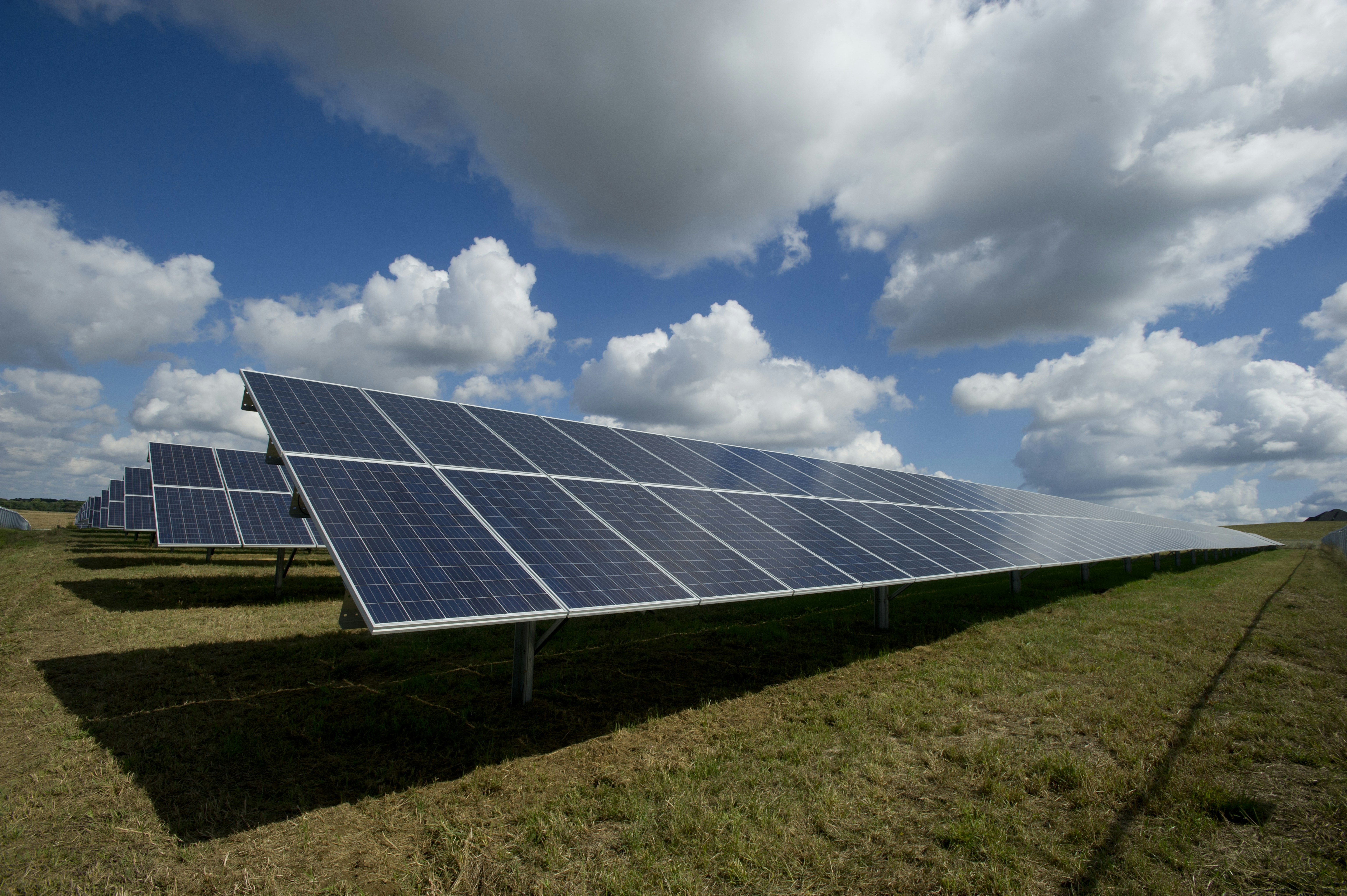
The DC electricity generated by the solar panels is sent to the inverter.
The alternating current is then fed into your home's electrical circuit or exported to the power grid.
Pro Tip: Download our comprehensive state-wise solar policy chart for easy reference and future planning.
Efficient Energy Conversion
Maximizes the utility of solar energy for household and commercial applications.
Grid Connectivity
Enables the export of excess power, potentially earning credits through net metering.
Monitoring Capabilities
Advanced inverters offer real-time insights into your system's performance.
System Safety
Includes features like overload protection and automatic shutdown during faults.
Selecting the right inverter depends on your system requirements, budget, and energy goals.
A solar inverter is more than just a converter; it's the brain of your solar system, ensuring optimal performance and safety. Contact us today to learn more about solar inverters and find the best option for your solar power needs!